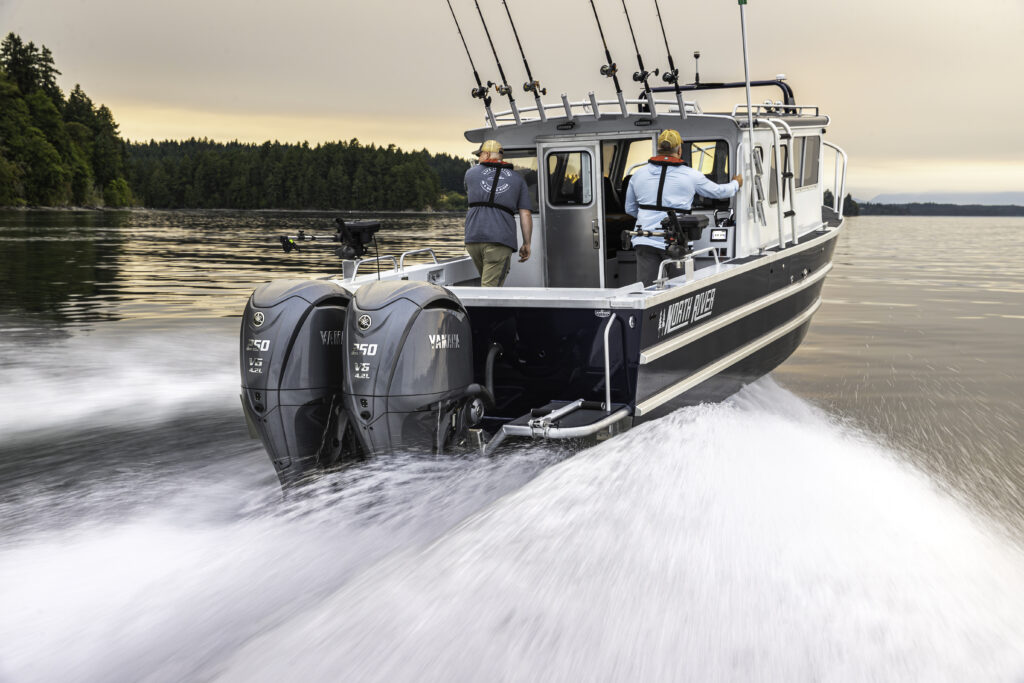
Anyone who has spent enough time on the water knows how quickly things can change. A calm morning can turn into a long ride home in wind and chop, and when it does, the boat you’re in matters more than anything else.
When people search for the best aluminum boat for rough water, they’re usually looking for one that will hold up as conditions change.
There are a few things that tend to stand out right away once the water gets rough. Hull design is one of them. A sharper entry helps the boat cut through waves rather than pounding over them, making a noticeable difference in both comfort and control. It’s not just about performance in the moment; it’s about how you feel after hours on the water.
Deadrise at the transom also plays a role. Boats with greater deadrise tend to handle chop more smoothly, especially at speed, giving the ride a more controlled, predictable feel. It’s one of those details that might not stand out on paper but becomes obvious once you’re running the boat in real conditions.
Build quality is another factor that shows up quickly. Welds, materials, and overall construction don’t just affect longevity; they influence how solid the boat feels under you. A well-built aluminum boat stays composed. It doesn’t rattle or feel unsettled when conditions pick up.
Weight and balance round it out. A properly balanced boat tracks better, handles turns more confidently, and isn’t as easily pushed around by wind or current. In rough water, that sense of stability goes a long way.
It’s also something you notice right away in a North River. The ride feels smoother, more controlled like the boat is working with the water instead of fighting it. This is part of why aluminum boats have become such a popular choice for people who regularly deal with less-than-ideal conditions. They’re built for use, not just appearance. They hold up well to impact, they’re durable over time, and they’re often designed with real-world conditions in mind, whether that’s rivers, offshore runs, or places where the weather rarely does exactly what it’s supposed to.
Within North River’s lineup, rough water capability isn’t limited to a single model. It shows up in different ways depending on how the boat is used and what the owner prioritizes once they’re out there.
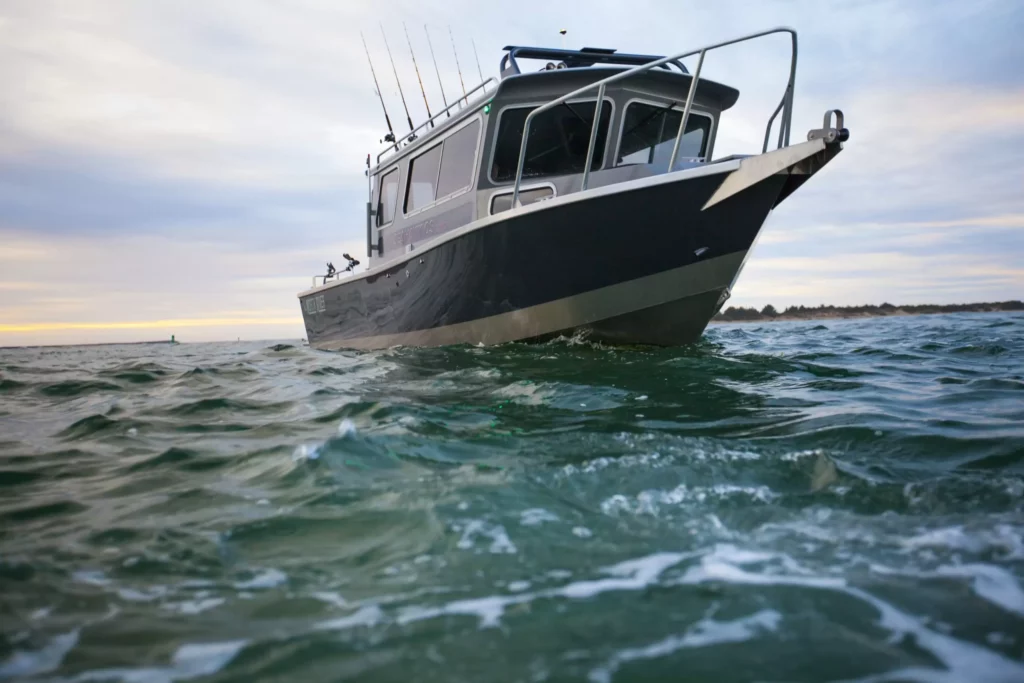
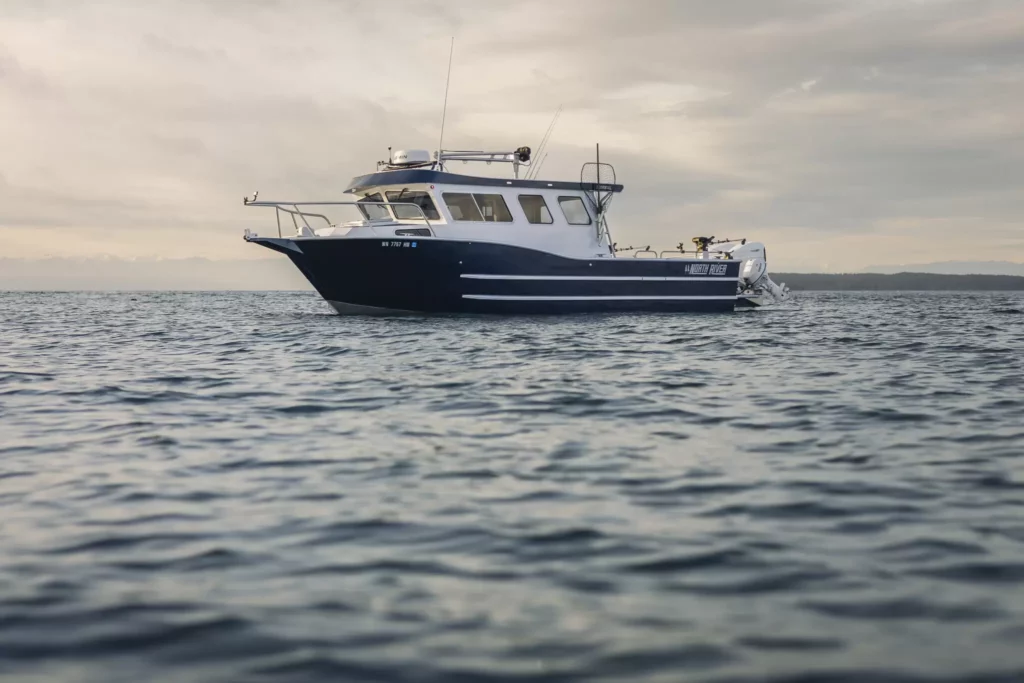
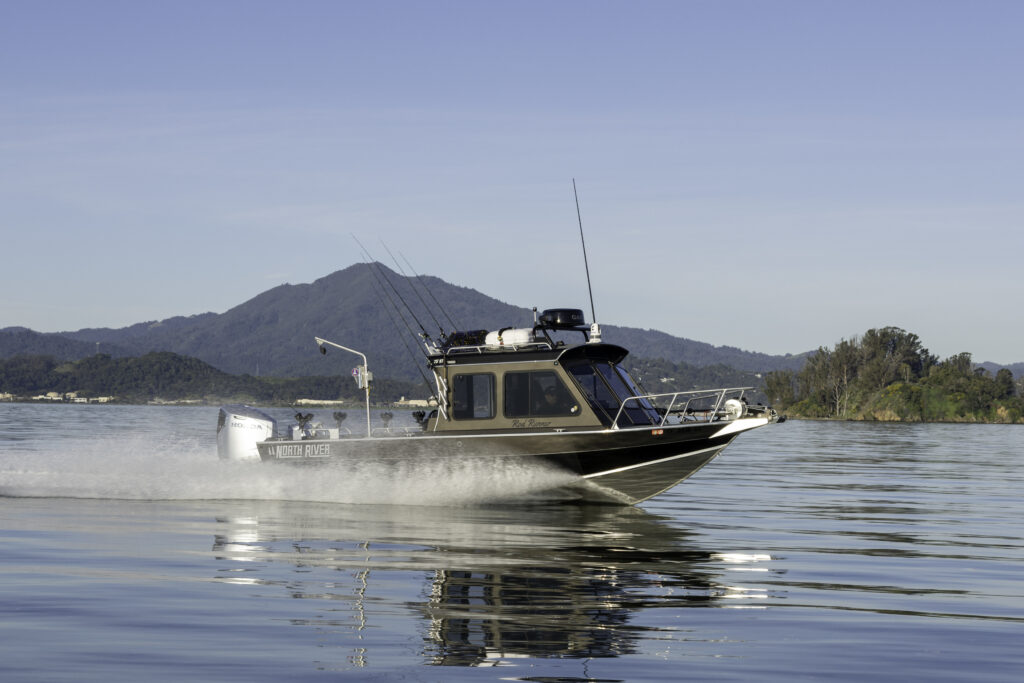
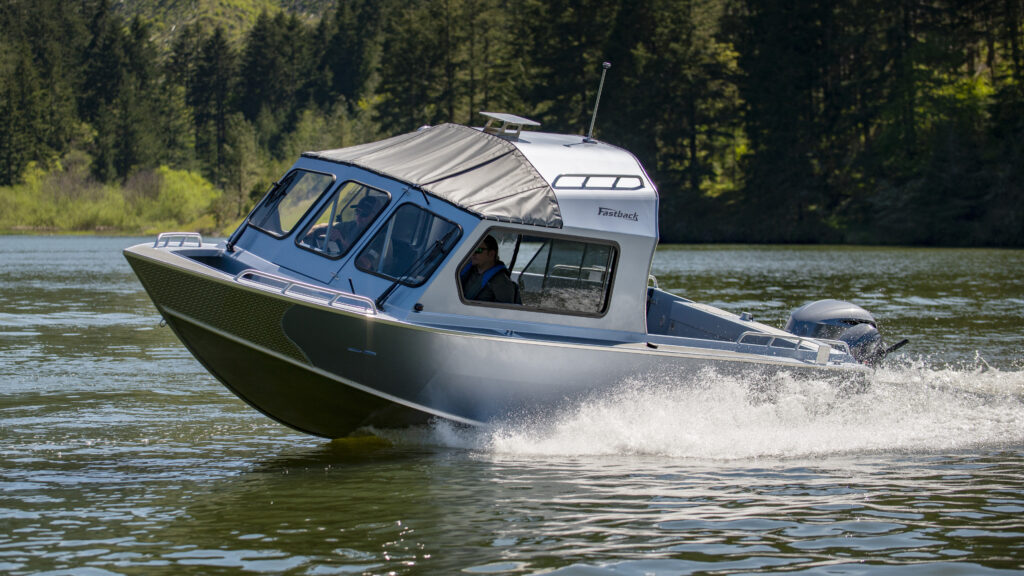
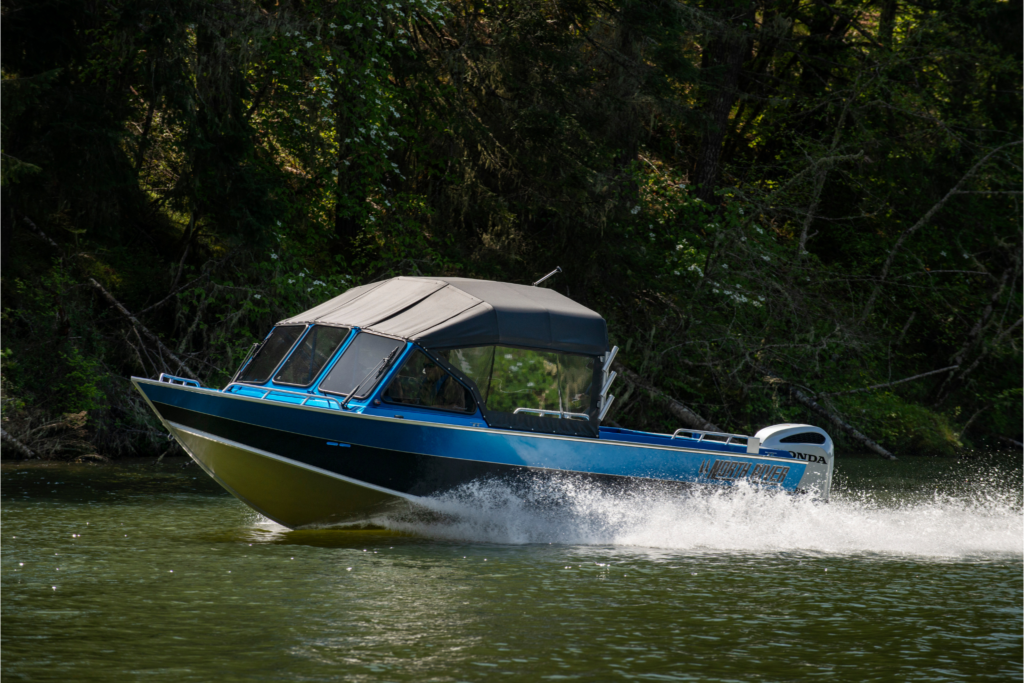
For those who spend time in bigger water, the North River Offshore models are built with longer runs and changing conditions in mind. Offshore trips don’t always offer the option to turn around early, so consistency becomes important not just on the way out, but on the way back when conditions have shifted.
The North River Endurance takes a slightly different approach, leaning into time on the water. For some, rough water isn’t something you pass through; it’s something you spend hours in. In those situations, protection from the elements and a layout that doesn’t wear you down start to matter just as much as how the boat performs.
That’s also where hard top configurations come into play. Boats like the North River Hard Top offer a noticeable difference on cold mornings, windy afternoons, or long runs where exposure adds up. It’s one of those features that tends to become more important the more time you spend out there.
The North River Fastback is an open, performance-focused option. It’s often favored by anglers running rivers or covering water quickly, where responsiveness and control matter just as much as overall capability. Rough water in those environments looks different, but the need for a boat that reacts predictably stays the same.
The Seahawk Outboard is known for its balance, versatility, capability, and readiness for a wide range of conditions. It’s a go-to for anglers who want one boat that can do a little bit of everything without being overly specialized. Fishable, comfortable, and dependable, it’s built for people who value flexibility on the water.
What becomes clear, especially after spending time on the water, is that the idea of a single “best” aluminum boat for rough water is more nuanced than it sounds. Conditions vary from place to place, and a rough day offshore looks very different from a rough day on a river. What matters most in one environment may not matter as much in another.
The better question isn’t always which boat is best, but which boat is best for how it’s actually going to be used.
For someone running long distances offshore, consistency over time might be the priority. For someone fishing rivers, control and responsiveness could matter more. For others, it’s about staying comfortable and protected when the weather doesn’t cooperate. In each case, the right boat is the one that aligns with those priorities.
Specs can tell part of the story, but they rarely tell the whole thing. How a boat feels when you’re running into the wind, how it handles when the water stacks up, and how it holds together over time, those are the things that tend to stick with people.
Most boats will look good when the water is flat. They’ll feel smooth, quiet, and easy to handle.
The difference shows up when it’s not.
And that’s where North River separates itself. It’s not about building for ideal conditions; it’s about building for the days that don’t go as planned. The kind of days where the ride matters, the build matters, and confidence in your boat isn’t something you have to think twice about.